ISO 15189 Compliance Software for Medical Laborato | Kintavo
← ALL FRAMEWORKS
COMPLIANCE COVERAGE

{{ c.h1 }}

{{ c.sub }}

{{ chip }}
THE PROBLEM

Accreditation to a Management System Standard, Run Without a Management System.

ISO 15189 asks for what CLIA assumes and CAP samples: a functioning management system — documents controlled, risks assessed, nonconformities trended, effectiveness evaluated. Labs pursuing international accreditation typically bolt that system onto the same spreadsheets that barely carry their national requirements, and the assessment finds the bolt.

The 2022 revision sharpened the point: risk-based thinking throughout, patient impact explicit, and continual improvement with evidence — not a quality manual reciting intentions.

WHAT THE STANDARD REQUIRES

What ISO 15189:2022 Requires From the Laboratory

The standard requires structured management: document and record control (clause 8.3–8.4), risk and opportunity management (8.5), personnel competence with ongoing assessment (6.2), equipment qualification, calibration, and maintenance (6.4), examination process control including QC and EQA (7.3), nonconformity management with root cause where warranted (7.5, 8.7), and evaluation — internal audit and management review — closing the loop (8.8–8.9).

Kintavo runs the clause set as connected workflows on one data model, so the management system the assessor evaluates is the one the lab actually operates — daily, with records to show it.

WHAT AUDITORS LOOK FOR
Risk assessments that exist for the assessment, disconnected from daily QC decisions.
Nonconformities logged but never trended — improvement without evidence.
Equipment records split across binders, certificates, and spreadsheets.
Internal audits behind schedule, findings without closure.
WHAT KINTAVO REPLACES
A quality manual of intentions → Workflows that generate the required records
Risk as an assessment-week artifact → Risk files linked to QC plans and live events
Nonconformities in a log → Events trended into root cause and action
Equipment records scattered → The asset as the record — qualification to retirement
Audit prep per cycle → Continual readiness with live evidence
CORE CAPABILITIES

The 2022 Structure, Running.

Document & Record Control (8.3–8.4)
Versioned procedures with director review, revision-triggered training, obsolete lockout.
Risk Management (8.5)
Risk files linked to the QC plans, equipment, and events that test them — IQCP-ready.
Competence (6.2)
Ongoing assessment per person and technique, gating who signs what.
Equipment (6.4)
Qualification, calibration with traceability, maintenance on schedule — on the asset record.
QC & EQA (7.3)
Statistical QC with rules at entry; EQA events tracked with corrective action on failures.
Nonconformity & Improvement (7.5, 8.7)
Events dispositioned, trended, and escalated to root cause — with effectiveness verified.
WHAT IT LOOKS LIKE IN PRACTICE

The assessor opens with clause 8.7: show me your nonconformity trending. The quality manager runs the view — events by category and section across twelve months, one upward trend flagged, its root cause analysis open with a linked corrective action. The assessor follows the thread to effectiveness criteria and the scheduled check. "And who reviews this?" — the management review record, with that exact chart as an input, actions assigned and tracked. The loop closes on screen.

EVIDENCE, NOT CLAIMS

The Management System the Assessor Can Watch Running.

Every clause’s evidence exists because a workflow created it — current, signed, linked. The assessment stops being a document review and becomes a system demonstration.
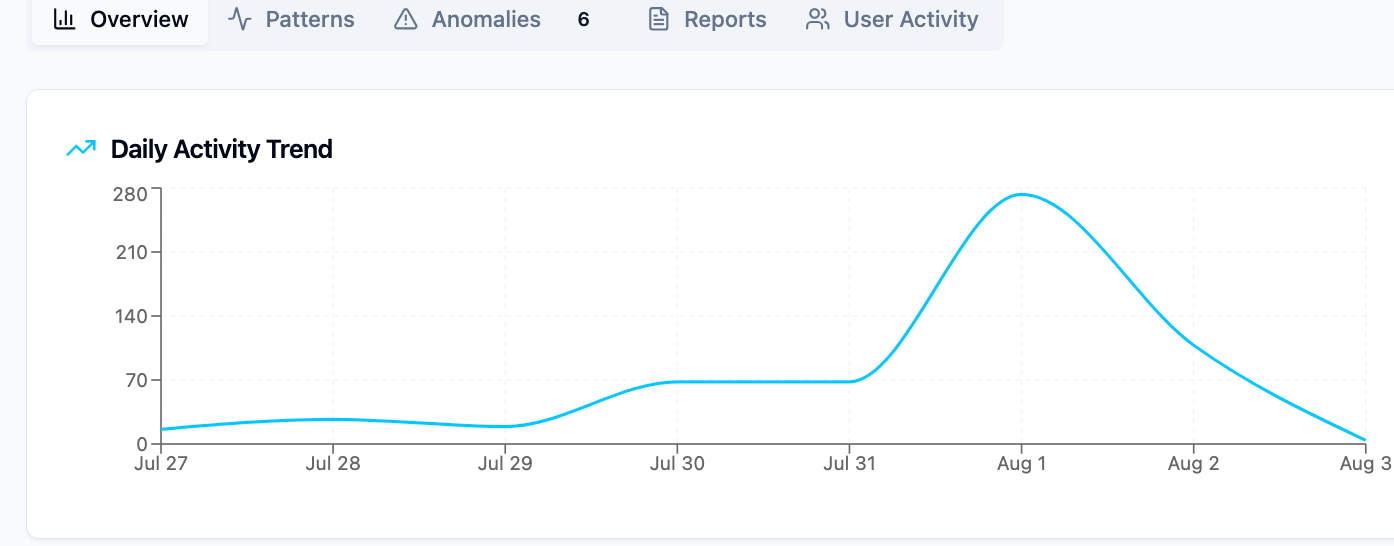
Trend chart across quality records — the monitoring evidence clause 8.8 expects
SHOWN WITH SAMPLE DATA. YOUR NUMBERS APPEAR THE DAY YOU CONNECT YOUR SYSTEM.

Covered as architecture — not configured after the fact.

{{ p.tag }}
{{ p.title }}
{{ p.desc }}
MODULES THAT CARRY THE LOAD
{{ m.name }}→
WHO WORKS UNDER IT
{{ i.name }}→ Check your readiness in 3 minutes →
QUESTIONS & ANSWERS

ISO 15189 FAQ

Does Kintavo support ISO 15189:2022 specifically?
Yes — the 2022 revision’s risk-based structure maps to workflows: risk files linked to QC planning, nonconformity trending with root cause, and evaluation loops with records.
Can a lab run ISO 15189 and CAP/CLIA on one system?
Yes — the workflows generating 15189 evidence are the same ones generating CLIA and CAP evidence; each framework is a view onto the same records.
How does Kintavo handle EQA/proficiency testing?
EQA events are scheduled and tracked with results and corrective action for failures — the closed loop clause 7.3 expects.
Does equipment calibration traceability meet 6.4?
Yes — certificates with reference standard traceability live on the asset, with out-of-tolerance events triggering impact assessment.

{{ c.cta }}

Book a Personalized Demo